5K Pace Chart: Find the Pace You Need to Hit Your Goal Time
Most runners can tell you the finish time they're chasing before they can tell you the pace that gets them there. That's the gap a 5K pace chart closes. Feed it a target time and it hands back the per mile or per kilometer speed you'd need to average across all 3.1miles. A 5K pace calculator does the same job but with more flexibility, since it works for any goal time you type in, not just the round numbers printed on a chart.
5K Pace Chart: Everything You Need to Know (Splits, Calculator & Training)
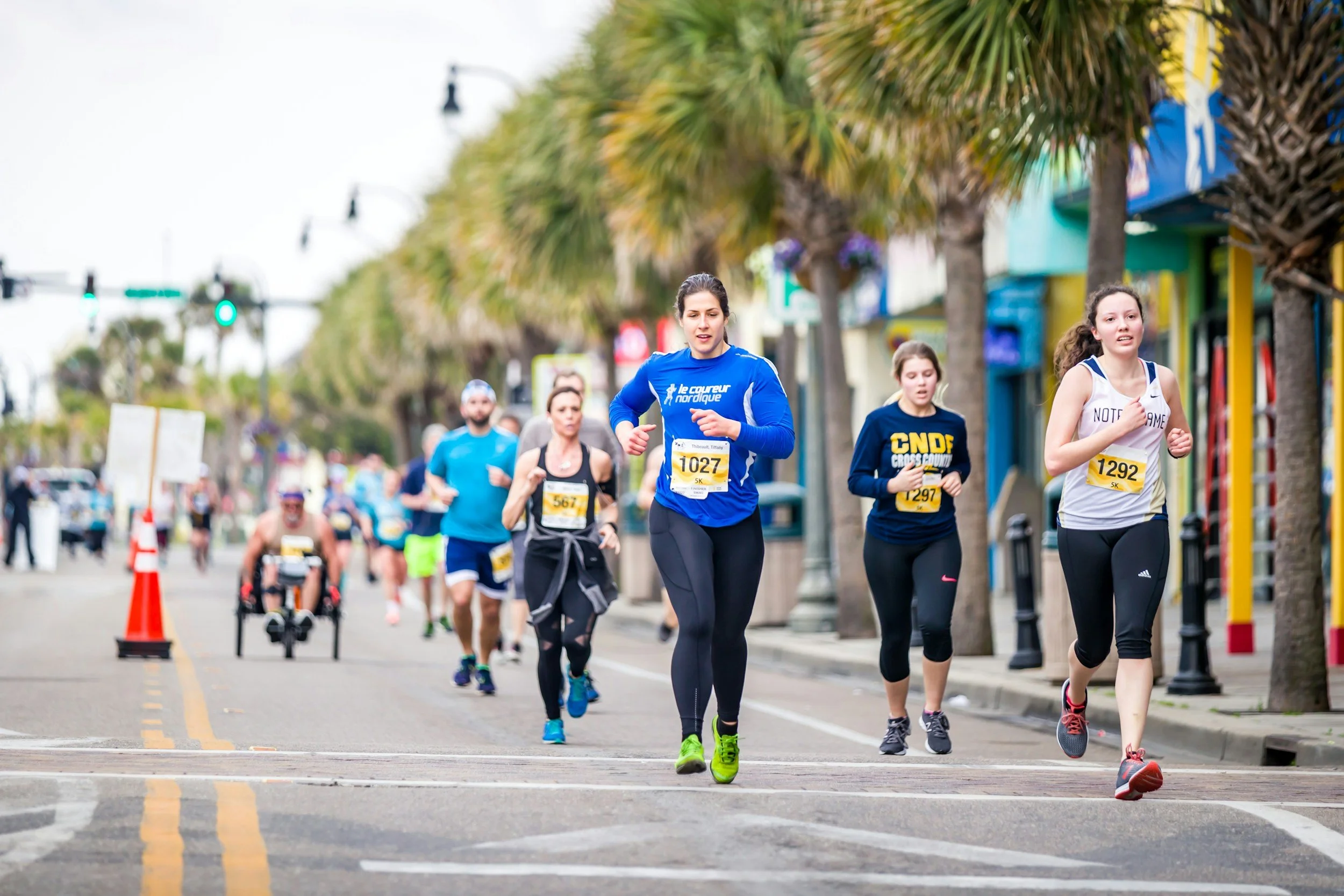
A 5K pace chart translates a finish time goal into the exact per mile and per kilometer pace required to hit it. Recreational runners typically average 9:00 to 11:15 per mile. Newer runners preparing for their first race often hold 12:00 to 14:00 per mile.
Competitive racers hold under 5:00 per mile. Run/walk participants generally land between 13:00 and 17:30 per mile.
A reliable 5K pace calculator factors in your current mile time, not just a general fitness label, so the pace it gives you actually matches what your body can sustain across the full distance.
This sounds straightforward: what pace do I need to run a 5K? But underneath it, most runners are really asking something more specific:
Am I already close to my goal pace, or far from it?
How many seconds per mile do I need to shave off?
Should I be pacing off mile splits or kilometer splits on race day?
Is my target pace realistic given how much time I have to train?
What Pace Do You Need for a 5K?
Your required pace is simply your goal time divided across 3.1 miles, or 5 kilometers if you prefer metric splits. A 5K pace chart does that division for you instantly, and a 5K pace calculator does the same thing for any exact goal, even one that falls between the standard chart rows.
On a track, race pace corresponds to roughly 12.5 laps at a steady, unchanging effort. Most GPS watches will display either mile splits or kilometer splits depending on your settings, so it helps to know your target in both units before race day.
5K Pace Conversions
| Unit | Value |
|---|---|
| Per Mile | 9:00–11:15/mile (recreational average) |
| Per Kilometer | 5:36–7:00/km (recreational average) |
| Total Distance | 3.1 miles / 5.0 km |
| Track Laps | 12.5 laps (400 m track) |
| Fastest Pace on Record | 4:03/mile (men) 4:30/mile (women) |
| Typical Beginner Split | 12:00–14:00/mile |
What Does Your 5K Pace Say About Your Running Level?
A 5K does not have one universal “correct” speed. Two people can finish the same distance at very different paces depending on their experience, conditioning, and race goals. Rather than using a pace number as a fixed standard, think of these ranges as a way to understand where your current performance may fit.
Typical 5K Paces at a Glance
Competitive runners: A mile may take less than 5 minutes when running at an elite level.
Strong club and recreational runners: Many experienced runners fall between 6:00 and 7:15 per mile.
Steady intermediate runners: A pace of roughly 7:15–9:00 per mile is common for runners with a solid training base.
Everyday recreational runners: A 9:00–11:15 per-mile pace can be a realistic range for many casual runners.
Those completing their first 5K: New runners may be more comfortable around 11:15–14:00 per mile.
Run/walk athletes: Alternating between running and walking can result in an overall pace of approximately 13:00–17:30 per mile.
5K walkers: Completing the entire distance on foot without running may produce a pace of around 15:30–20:00 per mile.
Use the 5K Pace Calculator
5K Running Pace Chart & Goal Times
| Pace Per Mile | Pace Per Kilometer | Approx. Finish Time |
|---|---|---|
| Under 5:00/mile | Under 3:07/km | Under 15:30 |
| 6:00–7:15/mile | 3:44–4:30/km | 18:30–22:30 |
| 7:15–9:00/mile | 4:30–5:36/km | 22:30–28:00 |
| 9:00–11:15/mile | 5:36–7:00/km | 28:00–35:00 |
| 11:15–14:00/mile | 7:00–8:42/km | 35:00–43:30 |
| 13:00–17:30/mile | 8:05–10:52/km | 40:15–54:15 |
Key Highlights
Globally, the average 5K pace works out to roughly 10:45 per mile.
Most men race a 5K somewhere around 9:45-10:15 per mile.
Most women race a 5K somewhere around 10:45-11:30 per mile.
Holding 12:00-14:00 per mile is normal and expected for a first 5K attempt.
A realistic first goal is an even pace, not necessarily a fast one.
A faster pace isn't always the better target. Whether you run 6:30 or 15:00 per mile, maintaining a steady effort from the start to the finish can make a bigger difference in your overall 5K performance.

How Fast Should You Run to Reach Your 5K Goal Time?
Planning to finish a 5K within a particular time gives you a clearer target for training. Your goal finish time can be converted into an average mile pace, helping you understand the speed you need to maintain throughout the 3.1-mile distance. For runners working toward their first milestone, breaking 33 minutes means averaging about 10:39 per mile. With consistent training over roughly eight weeks, this can be a realistic goal for many newer runners.
| Goal Finish Time | Required Pace Per Mile | Required Pace Per Km |
|---|---|---|
| 19:00 | 6:07/mile | 3:48/km |
| 23:00 | 7:25/mile | 4:36/km |
| 27:00 | 8:42/mile | 5:24/km |
| 31:00 | 10:00/mile | 6:12/km |
| 36:00 | 11:36/mile | 7:12/km |
| 41:00 | 13:13/mile | 8:12/km |
| 47:00 | 15:09/mile | 9:24/km |
How Does Your Pace Change as the Race Gets Longer?
Your 5K performance can serve as a helpful starting point when setting expectations for other race distances. As the miles add up, most runners need to reduce their pace to manage fatigue and maintain a sustainable effort. The table below shows how your 5K pace may compare with the pace required for shorter and longer events.
| Race | Miles | Kilometres | Pace Change |
|---|---|---|---|
| 1 Mile | 1.0 mile | 1.6 km | 20–40 seconds faster than 5K pace |
| 5K | 3.1 miles | 5 km | Baseline pace |
| 10K | 6.2 miles | 10 km | 15–30 seconds slower than 5K pace |
| 15K | 9.3 miles | 15 km | 25–45 seconds slower than 5K pace |
| Half Marathon | 13.1 miles | 21.1 km | 40–70 seconds slower than 5K pace |
A Beginner-Friendly Plan for Reaching Your 5K Pace Goal
Working toward a particular 5K pace takes time, especially if running is new to you. An 8-week schedule can be suitable for someone who can already run continuously for 15–20 minutes. If you are building your fitness from the beginning, allowing 10–12 weeks gives you more room to develop endurance without rushing out the process.
Weeks 1–2: Build Your Running Routine
Start with three easy runs each week, aiming for around 20 minutes per session. Keep the effort relaxed and leave pace tracking out of the equation for now. The priority is creating a consistent routine and helping your body adjust to regular running.
Weeks 3–4: Start Learning Your Natural Pace
Choose one weekly run to monitor your pace. Pay attention to what speed feels comfortable rather than trying to run faster. You can then use your current pace to estimate what 5K finish time it may translate to.
Weeks 5–6: Practice Your Target Speed
Add brief bursts of your desired 5K pace to two easy runs each week. Start with 60–90 second intervals before returning to an easier effort. Include one longer, comfortable run during the weekend to continue developing endurance.
Weeks 7–8: Spend More Time at Goal Pace
Gradually increase your goal-pace intervals to around 3–4 minutes. Compare your running splits with your intended 5K pace to monitor progress and identify whether your target feels achievable.
Race Week: Reduce the Training Load
Ease off your overall running volume during the final week. Complete two short, relaxed sessions early in the week and prioritize recovery before race day. During the race, avoid starting too aggressively. Aim to settle into your target pace after the opening quarter mile, when the initial excitement can make the effort feel deceptively easy.
5K Pace Training by Current Fitness Level
| Runner Profile | Suggested Preparation Period | Primary Training Priority |
|---|---|---|
| New to Running | 10–12 weeks | Build basic endurance through regular, comfortable runs |
| Runs Occasionally | 6–8 weeks | Introduce short periods of target 5K pace without overdoing intensity |
| Runs Regularly Without a Time Target | 4–6 weeks | Gradually increase the amount of running performed at goal pace |
| Working Toward a Personal Best | 4–6 weeks | Focus on threshold sessions, pacing control, and consistent race splits |
| Coming Back After a Break | 8–10 weeks | Restore running fitness and gradually improve your ability to handle faster efforts |
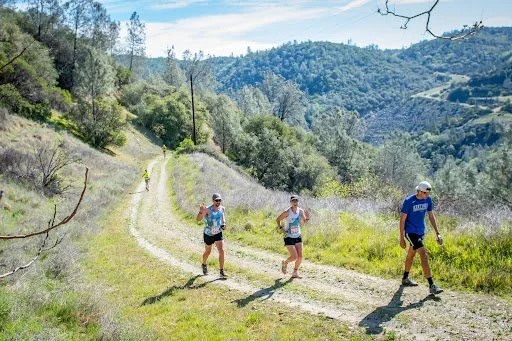
How Can You Tell If Your 5K Pace Is Right?
A useful 5K pace should feel controlled rather than comfortable. For a recreational runner moving at approximately 9:30–11:00 per mile, the full distance may take around 29–34 minutes. You should be working, but you should not feel as though you are sprinting from the opening minutes.
One way to judge your pace is by how your effort changes throughout the run. The opening mile should feel restrained, the middle section should require concentration, and the final part should demand a stronger effort. If you are already struggling early, your starting pace may be too ambitious.
This is where the pace of practice becomes valuable. Instead of relying entirely on your watch during a race, spend some training sessions learning what your target speed feels like. For example, if 10:39 per mile is your goal, practicing that pace repeatedly can help you recognize the correct rhythm without constantly checking your splits.

Turn Your 5K Target into a Practical Training Plan
A finish-time goal gives you a destination, but your training approach determines how effectively you get there. The right plan should account for your existing running ability, schedule, recovery needs, and the pace you want to achieve rather than asking you to follow a one-size-fits-all routine.
Dasher Personalized Running provides virtual coaching designed around your individual objectives. Whether you are establishing your first 5K target or trying to improve an existing personal best, our coaches can create a structured program that uses your pace goal as a guide while adapting the training to your current level.
Frequently Asked Questions
Still have questions? Take a look at the FAQ or reach out anytime. If you’re feeling ready, go ahead and apply.
-
A 5K time pace chart shows the average pace needed to achieve different 5K finish times, making it easier to set a realistic race goal.
-
A 5K race pace chart connects your target finish time with the pace you need to maintain throughout the 3.1-mile race.
-
A 5K pace chart can help you choose a target, structure pace workouts, and monitor your progress during training.
-
There is no universal answer. I recommend choosing a pace based on your current fitness, running experience, and ability to maintain a steady effort.
-
Yes. Use the 5K time pace chart to set a target and gradually introduce goal-pace efforts into your training.
-
Use your 5K race pace chart as a guide rather than a strict rule. Weather, terrain, fitness, and race-day conditions can affect your pace.
-
Yes. A 5K pace chart can help you estimate an overall pace and set a realistic finish-time goal for your run/walk strategy.
-
Yes. Dasher Personalized Running can create personalized training around your current fitness, target pace, and 5K performance goals.