
If you are preparing for a 15K race and want to understand 15k in miles, I’m here to help you break down the distance, training requirements, and race strategy like I do with my runners. A 15K is equal to approximately 9.32 miles, making it an exciting challenge for runners moving beyond a 10K and preparing for longer endurance events. Whether you are running your first 15K or trying to improve your finishing time, knowing the distance is the first step toward creating a successful training plan.
15k in Miles for Runners
Understanding the 15K Distance and Why It Matters
When I coach runners, one of the first questions I hear is what is a 15k in miles. A 15K race covers 15 kilometers, which converts to approximately 9.32 miles. This distance sits between a 10K and a half marathon, making it a perfect endurance-building milestone.
Many runners underestimate the difference between a 10K and a 15K because the additional distance requires better pacing, stronger endurance, and improved mental preparation. The goal is not only to complete the miles but to maintain a comfortable and sustainable effort throughout the race.
If you are wondering how far is 15k in miles, imagine running just over nine miles continuously. For beginners, this may feel like a major achievement, while experienced runners may see it as a stepping stone toward longer races.
As a coach, I always remind runners that every distance teaches something valuable. A 15K improves your ability to manage effort, maintain consistency, and understand your body during longer runs.
A 15K equals approximately 9.32 miles
It requires more endurance than a 10K but less preparation than a half marathon
Most runners benefit from 8-12 weeks of structured training
Proper pacing is essential because the distance rewards patience and consistency
Understanding how many miles in 15k makes it easier to plan your workouts, track your progress, and prepare for race day. The conversion is based on a simple formula: one kilometer equals approximately 0.621371 miles.
When you multiply 15 kilometers by this conversion rate, you get about 9.32 miles. This number helps runners in the United States understand exactly how far they will travel during a 15K event.
I often encourage runners to learn distance conversions because training plans, races, and fitness apps may use different measurement systems. Knowing the equivalent distance prevents confusion and helps you follow your training schedule accurately.
If you are calculating how much is 15k in miles, remember that the answer is not exactly nine miles, it is slightly longer at 9.32 miles. That extra distance may seem small, but it can make a difference when you are pacing yourself during a race.
How to Convert 15 Kilometers Into Miles?
Quick 15K Distance Facts
A 15K is more than just a number. It represents a balanced endurance challenge that helps runners build confidence and prepare for future goals.
Official distance: 15 kilometers
Miles equivalent: 9.32 miles
Distance category: Long-distance running event
Best suited for: Beginner to advanced runners
Training duration: Usually 8–12 weeks
Common next goal: Half marathon preparation
Main focus: Endurance, pacing, and consistency
Key challenge: Maintaining energy throughout the final miles
Benefits of Training for a 15K Race
When runners ask me how far is 15k in miles, I explain that the distance is not only about conversion, it is about what the training journey teaches you. Preparing for a 15K develops physical strength, confidence, and better running habits.
A well-planned 15K training program helps you improve cardiovascular fitness while teaching your body how to handle longer periods of movement. This experience creates a strong foundation for future races.
Unlike shorter races that rely heavily on speed, a 15K requires balance. You need enough endurance to complete the distance while maintaining a pace that feels controlled.
Here are the main benefits I see runners gain from 15K training:
Improved endurance: Builds the ability to run longer distances comfortably
Better pacing skills: Teaches you how to manage effort throughout a race
Greater confidence: Completing nearly 10 miles creates a strong sense of achievement
Stronger running foundation: Prepares you for future challenges like half marathons
Improved fitness: Enhances cardiovascular health and overall conditioning
Mental toughness: Develops discipline and race-day confidence
Better training habits: Encourages consistency and structured workouts
More running experience: Helps you understand your body and performance
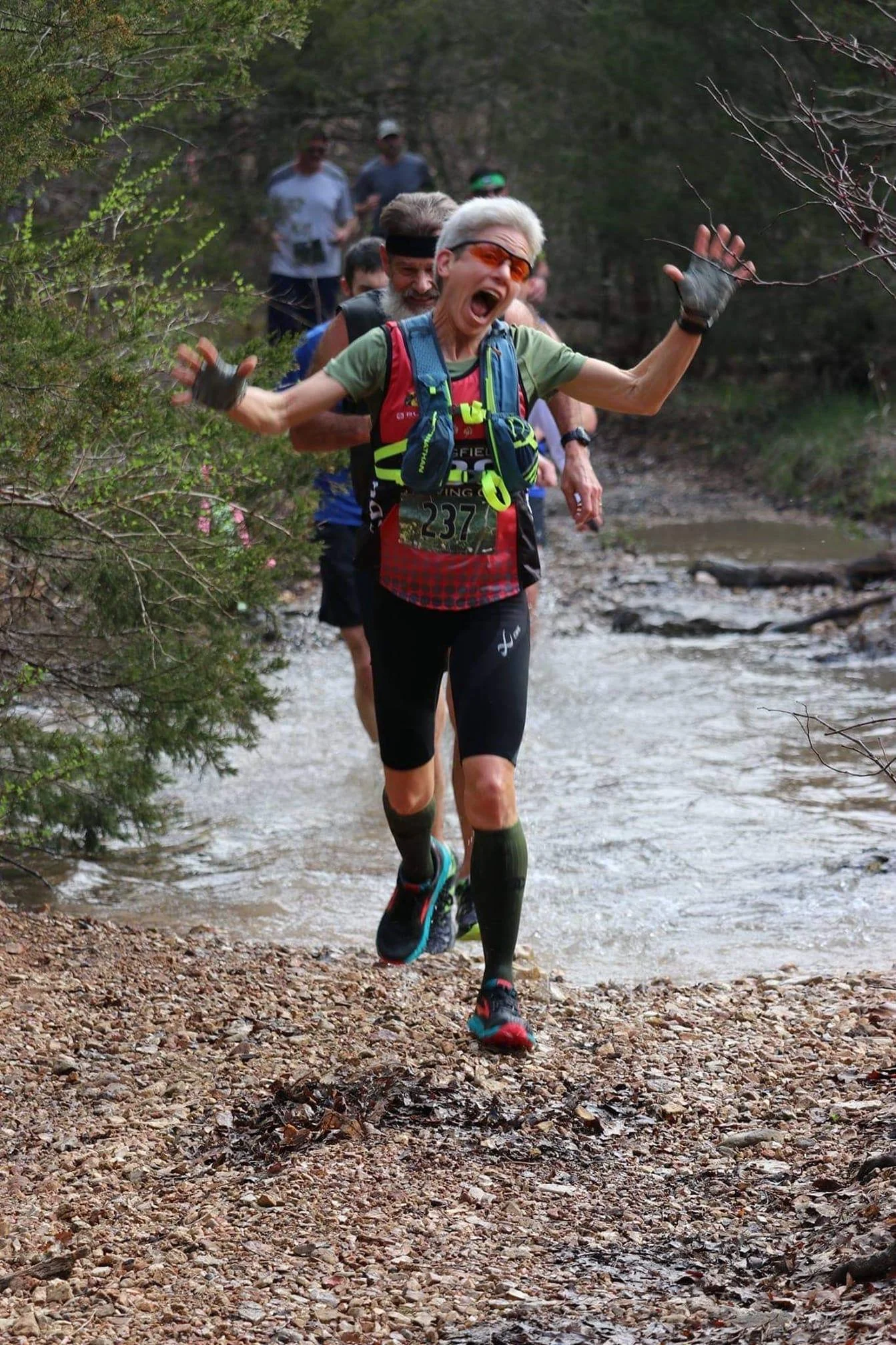
15K Distance Conversion Chart
Understanding how many miles in 15k becomes much easier when you compare the distance with other popular running distances. I use conversion charts with my runners because they provide a quick reference when planning workouts, setting goals, and comparing race distances.
A 15K is a unique distance because it challenges runners beyond the standard 10K while remaining more approachable than a half marathon. It requires a combination of endurance, pacing ability, and proper preparation.
The table below shows how a 15K compares with other common race distances:
| Race Distance | Kilometers | Miles | Difficulty Level |
|---|---|---|---|
| 5K | 5 km | 3.11 miles | Beginner-friendly |
| 10K | 10 km | 6.21 miles | Moderate |
| 15K | 15 km | 9.32 miles | Intermediate endurance |
| Half Marathon | 21.1 km | 13.1 miles | Advanced endurance |
| Marathon | 42.2 km | 26.2 miles | High endurance |
How to Train Effectively for a 15K Race?
Training for 15k in miles requires more than simply increasing your running distance. As a coach, I focus on helping runners develop endurance while protecting their bodies from unnecessary fatigue.
A successful training plan includes different types of workouts because each session has a specific purpose. Long runs build stamina, speed workouts improve efficiency, and recovery days allow your body to adapt.
Many runners ask what is a 15k in miles because they want to know if their current fitness level is enough. The answer depends on your experience, but with consistent training, most runners can successfully prepare for this distance.
Your weekly plan should gradually increase mileage while including strength training, mobility work, and recovery. The goal is to arrive at race day feeling prepared rather than exhausted.
| Preparation Area | Coach Recommendation |
|---|---|
| Training | Follow a gradual and structured plan |
| Nutrition | Practice fueling before race day |
| Hydration | Maintain consistent fluid intake |
| Equipment | Test shoes and clothing during training |
| Recovery | Prioritize sleep and rest |
| Warm-up | Prepare muscles before racing |
| Pacing | Start controlled and finish strong |
| Mindset | Focus on progress and confidence |
15K Race Preparation Tips From a Running Coach
Training for a race requires more than simply adding miles. Many runners struggle because they overlook important parts of preparation, such as recovery, pacing, and proper progression.
As a coach, I often see runners become frustrated because they expect immediate results. Running improvement takes time, and your body needs consistent practice to adapt.
Understanding how far is a 10k in miles helps you prepare correctly, but knowing the distance alone is not enough. You need a training approach that supports your fitness, lifestyle, and personal goals.
Avoiding common mistakes can make your training experience more enjoyable and help you arrive at race day feeling prepared.
| Common Mistake | Why It Causes Problems | Better Approach |
|---|---|---|
| Running too fast too often | Creates fatigue | Balance hard and easy workouts |
| Skipping recovery | Increases injury risk | Schedule rest days |
| Increasing mileage quickly | Overloads the body | Progress gradually |
| Ignoring strength training | Reduces stability | Add supporting exercises |
Understanding Your 15K Pace and Finish Time
Your 15K performance depends on your running experience, training consistency, and race strategy. When I coach runners, I always remind them that finishing strong is more important than starting fast.
A common mistake is using too much energy during the first few miles. Since a 15K covers approximately 9.32 miles, pacing becomes one of the most important skills you can develop.
If you know how many miles in 15k, you can estimate your finish time based on your average pace.
Beginner Runners
Beginners should focus on completing the distance comfortably while maintaining steady effort. The goal is building confidence and enjoying the experience.
Intermediate Runners
Intermediate runners can focus on improving pace consistency and practicing race-specific workouts.
Advanced Runners
Advanced athletes may use a 15K race to test speed endurance and prepare for longer competitive events.
First-Time 15K Racers
First-time participants should prioritize pacing, hydration, and enjoying the achievement of completing the distance.
Goal-Oriented Runners
Runners chasing personal records should include targeted workouts and detailed pacing strategies.

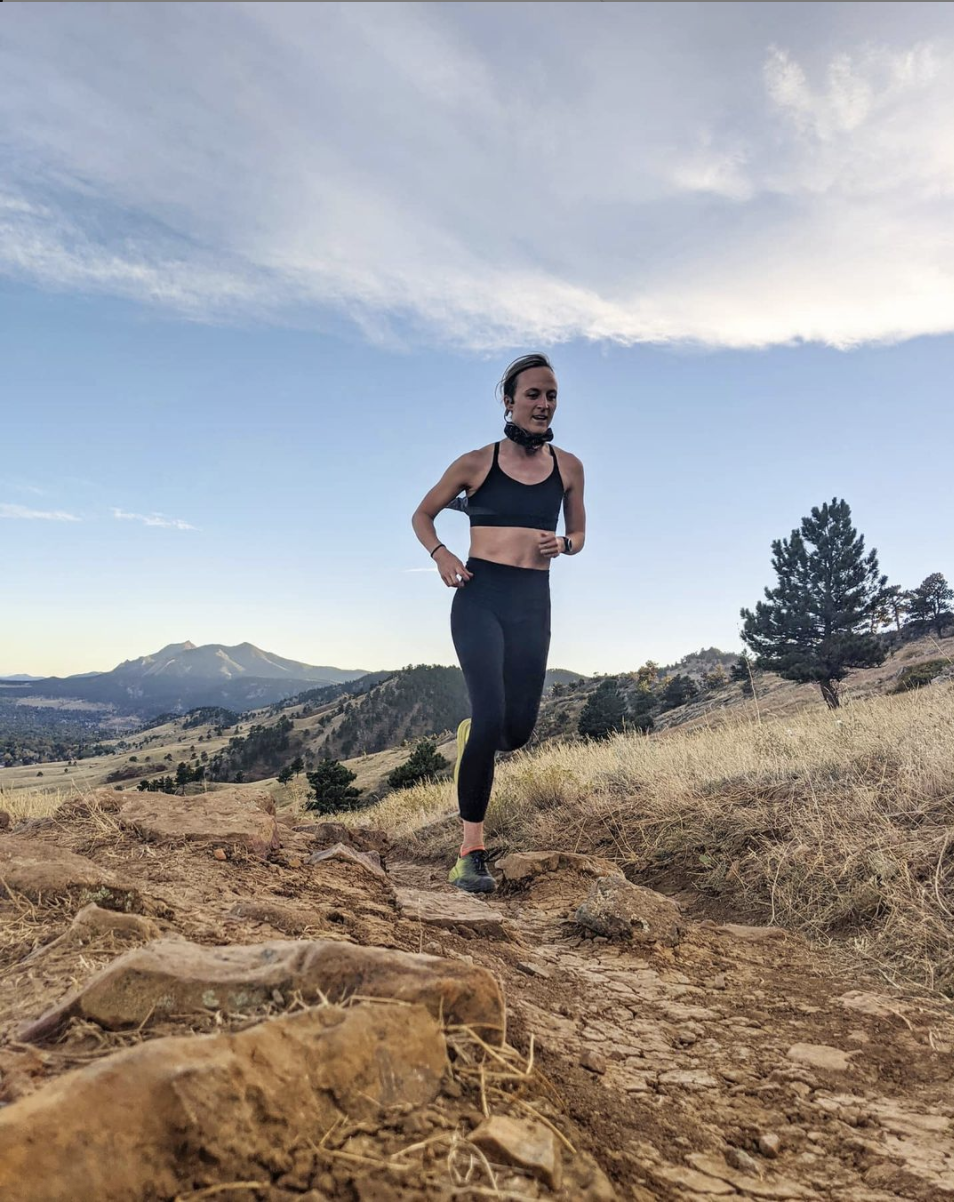
15K Race Distance: The Right Challenge for Your Running Goals
A 15K is an ideal endurance distance that helps runners build confidence, improve stamina, and prepare for bigger racing goals.
15K Training Progress Overview
A structured approach helps you safely increase your endurance and perform your best on race day.
| Training Stage | Main Focus | Recommended Approach |
|---|---|---|
| Foundation Phase | Build consistency | Easy runs and basic strength training |
| Endurance Phase | Increase distance | Add longer runs gradually |
| Performance Phase | Improve pace | Include tempo runs and intervals |
| Race Preparation Phase | Build confidence | Practice race pace and recovery |
Why Completing a 15K Can Transform Your Running Journey?
When I coach runners preparing for a 15K, I focus on helping them understand that this distance is about more than completing miles. It is about building discipline, confidence, and endurance that can support future running goals. A 15K challenges your body while teaching you how to manage effort over a longer period.
Many runners who complete a 15K discover that they are capable of more than they expected. The distance requires patience because you cannot rely only on speed. You need a smart pacing strategy, proper preparation, and the ability to stay mentally focused throughout the race.
A 15K also creates a strong foundation for runners who want to move toward longer events. The experience gained from training, fueling, pacing, and recovering prepares you for future challenges such as a half marathon.
As your coach, I encourage you to focus on progress rather than perfection. Every training run builds your strength, and every completed mile brings you closer to becoming a stronger runner.

Ready to Start Your 15K Training Journey?
Contact us today and take the next step toward your running goal with a structured plan, consistent training, and the confidence to complete your 15K stronger than ever.
Frequently Asked Questions
-
A 15K equals approximately 9.32 miles. This conversion helps runners understand the exact distance they need to prepare for during training and races.
-
A 15K in miles is approximately 9.32 miles. It is a popular race distance that falls between a 10K and a half marathon.
-
A 15K is three times the distance of a 5K. While a 5K covers 3.11 miles, a 15K covers approximately 9.32 miles.
-
A runner completing a 15K should expect to cover about 9.32 miles from the starting line to the finish line.
-
The finish time depends on your running pace, experience, terrain, and race conditions. Many recreational runners complete the distance in about one to two hours.
-
Yes, but building a running foundation is recommended. Training gradually helps your body adapt to the longer distance.
-
A good plan includes easy runs, long runs, speed workouts, strength training, and recovery days to improve endurance safely.
-
Most runners train for approximately 8–12 weeks, depending on their current fitness level and running experience.
-
A 15K is considered an endurance race because it requires sustained effort over nearly 10 miles.
-
Focus on consistent training, proper pacing, hydration, recovery, and building confidence before race day.