
If you are preparing for your first race, improving your running performance, or simply trying to understand the distance, I want you to know exactly what you are training for. A 10k run in miles equals 6.21 miles, making it one of the most popular race distances for runners of all experience levels. As your coach, I’ll help you understand the distance, prepare your body, improve your pacing, and build the confidence you need to complete a successful 10K. Whether your goal is to finish your first race or achieve a new personal best, understanding the distance is the first step toward reaching your running goals.
10K Run in Miles: Your Guide to Running 6.21 Miles With Confidence
Understanding the 10K Distance and What It Means for Your Training
When you begin training for a 10K, the first thing I want you to understand is the actual distance you are preparing to run. A 10K race covers 10 kilometers, which converts to approximately 6.21 miles. This distance is challenging enough to improve your endurance but still achievable for beginners with proper preparation.
Many runners who are comfortable with a 5K eventually choose a 10K because it provides the perfect next challenge. You are not just adding more miles, you are learning how to manage your energy, maintain your pace, and build stronger running habits.
When you understand the 10k run in miles, you can create a better training plan. Instead of guessing your workout distances, you can accurately measure your progress and gradually prepare your body for race day.
As a coach, I always remind runners that completing a 10K is not about running fast from the beginning. It is about developing consistency, patience, and confidence throughout your training journey.
A 10K equals 6.21 miles
It requires both endurance and pacing skills
Most beginners train for 8-12 weeks
Consistent training is more important than speed
Understanding your race distance allows you to train with purpose. When you know that you are preparing to complete 6.21 miles, you can plan your weekly workouts around realistic goals and avoid common training mistakes.
I encourage runners to focus on building their aerobic foundation first. Your body needs time to adapt to longer distances, and gradual progress will help you become stronger while reducing unnecessary fatigue.
Knowing the distance also helps you choose the right running strategy. A 10K is not a sprint, but it is also not a slow endurance event. You need to find a pace that allows you to maintain control throughout the entire race.
When runners ask me about the miles in 10k race, I explain that the measurement is only one part of the challenge. The real achievement comes from learning discipline, improving fitness, and developing confidence.
Start with your current fitness level, not someone else’s pace
Increase your mileage gradually each week
Practice running at different speeds
Include recovery days in your training plan
Why Knowing the 10K Distance Helps You Become a Better Runner?
Building Your Endurance for a 10K Run
Your ability to complete a 10K comes from consistent endurance training. I always recommend focusing on steady improvement rather than trying to run the full distance immediately.
Your weekly training should include a combination of easy runs, longer runs, strength workouts, and recovery sessions. Each workout has a purpose and helps prepare your body for the demands of race day.
A common mistake I see is runners increasing their distance too quickly because they are excited about their goal. Remember, progress happens when you challenge your body and allow it enough time to recover.
When you train correctly, the 10k run in miles becomes a manageable goal instead of an intimidating number. You begin to trust your preparation and approach race day with confidence.
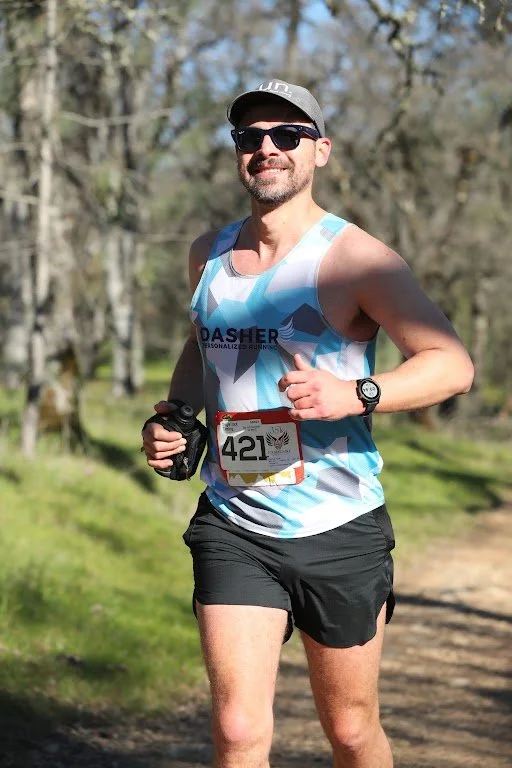
Quick Benefits of Training for a 10K
A 10K helps you improve your fitness while creating a strong foundation for future running goals.
Builds cardiovascular endurance
Improves running efficiency
Develops better pacing skills
Increases mental toughness
Supports healthy weight management
Creates consistent exercise habits
Prepares you for longer races
Builds confidence through achievement

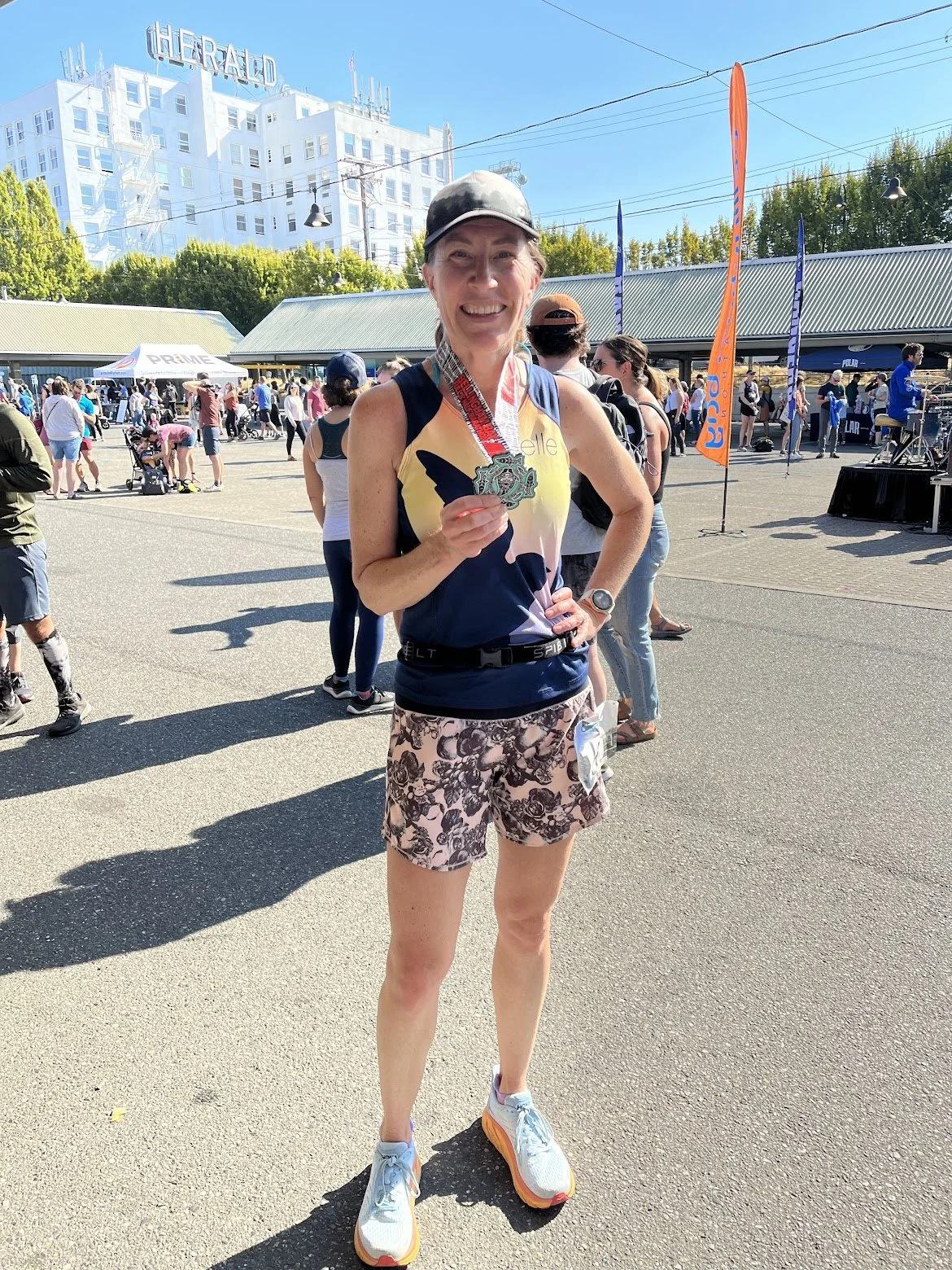
How Do I Recommend Training for Your First 10K?
When I coach runners preparing for a 10K, my focus is always on creating a balanced approach. Your training should help you feel stronger every week, not leave you exhausted.
The goal is to teach your body how to handle distance while improving your running form and efficiency. A successful training plan includes easy mileage, targeted workouts, and enough recovery to help your body adapt.
Your preparation should also include mental training. Running 6.21 miles requires patience, especially when the race becomes challenging. Learning how to stay focused and maintain your pace is just as important as physical conditioning.
A smart approach to training will help you enjoy the process and arrive at the starting line feeling ready.
Follow a structured weekly schedule
Keep most training runs at a comfortable pace
Increase distance gradually
Strengthen your core and lower body
Practice hydration during longer runs
Test your race-day shoes before the event
Prioritize sleep and recovery
Stay consistent even when progress feels slow
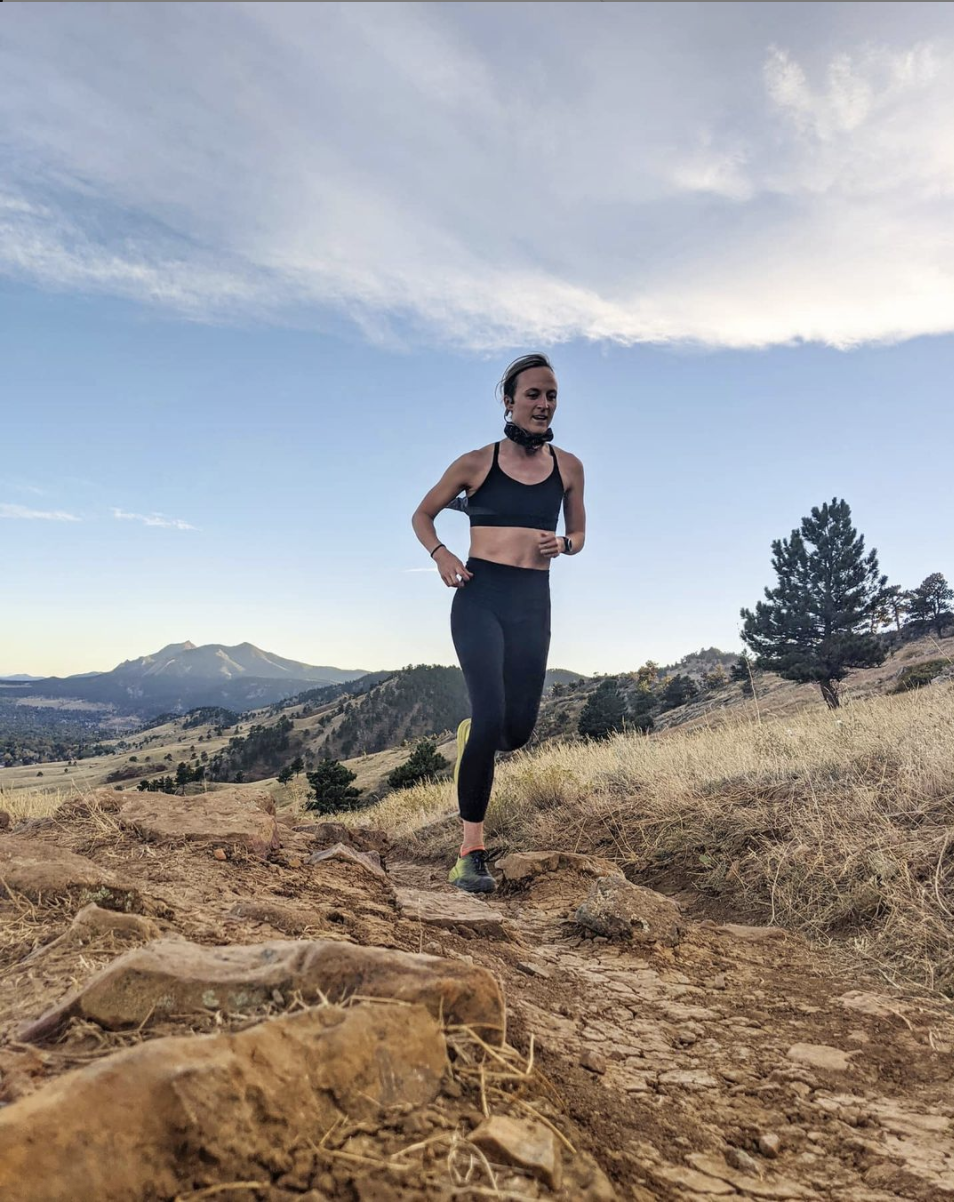
10K Distance Conversion Chart
A 10K is more than a number on a race calendar. It represents an opportunity to challenge yourself, improve your fitness, and build confidence as a runner. Once you understand the distance and follow a structured plan, completing a 10k run in miles becomes an achievable and rewarding goal.
| Distance | Equivalent Miles | Training Example |
|---|---|---|
| 1 Kilometer | 0.62 miles | Short recovery run |
| 2 Kilometers | 1.24 miles | Easy training session |
| 3 Kilometers | 1.86 miles | Beginner workout distance |
| 5 Kilometers | 3.11 miles | Common entry-level race |
| 8 Kilometers | 4.97 miles | Endurance-building run |
| 10 Kilometers | 6.21 miles | Official 10K race distance |
How to Improve Your 10K Pace and Race Performance?
Once you understand the distance, your next focus should be learning how to run the 10K efficiently. As your coach, I want you to remember that a faster finish does not come from pushing harder every day. It comes from smart training, proper pacing, and allowing your body to recover.
Your race pace should match your current fitness level. Many runners make the mistake of starting too quickly because they feel excited at the beginning of the race. A controlled start helps you conserve energy and finish stronger during the final miles.
When you train for a 10k run in miles, include different types of workouts that improve endurance, speed, and confidence. Easy runs build your foundation, while faster sessions teach your body how to handle increased effort.
Your goal should be progress, not perfection. Every runner improves at a different pace, and consistent training will always create better results than occasional intense workouts.
Recommended 10K Training Workouts
| Workout Type | Purpose | Example |
|---|---|---|
| Easy Run | Builds endurance | 2-5 miles at comfortable pace |
| Long Run | Improves stamina | Gradually increase distance |
| Tempo Run | Improves race pace | Sustained moderate effort |
| Intervals | Builds speed | Short fast repeats with recovery |
| Recovery Run | Supports recovery | Easy movement after harder sessions |
10K Training Mistakes I Help Runners Avoid
Training for a race requires more than simply adding miles. Many runners struggle because they overlook important parts of preparation, such as recovery, pacing, and proper progression.
As a coach, I often see runners become frustrated because they expect immediate results. Running improvement takes time, and your body needs consistent practice to adapt.
Understanding how far is a 10k in miles helps you prepare correctly, but knowing the distance alone is not enough. You need a training approach that supports your fitness, lifestyle, and personal goals.
Avoiding common mistakes can make your training experience more enjoyable and help you arrive at race day feeling prepared.
| Common Mistake | Why It Causes Problems | Better Approach |
|---|---|---|
| Running too fast too often | Creates fatigue | Balance hard and easy workouts |
| Skipping recovery | Increases injury risk | Schedule rest days |
| Increasing mileage quickly | Overloads the body | Progress gradually |
| Ignoring strength training | Reduces stability | Add supporting exercises |
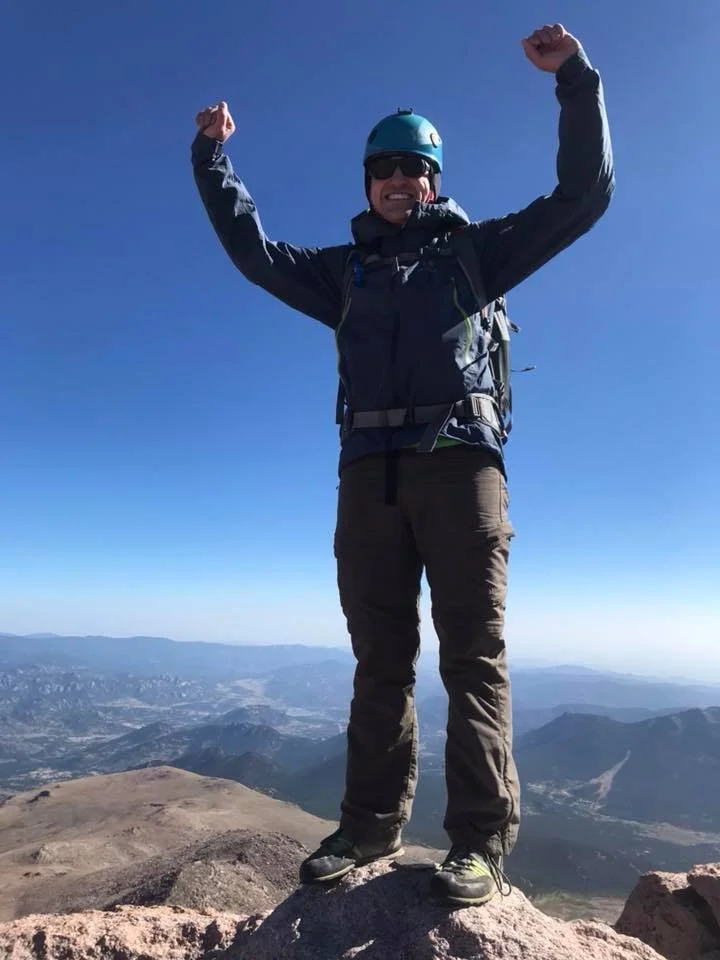
How a 10K Builds Your Long-Term Running Ability?
A 10K is one of the best distances for developing complete running skills. It teaches you how to balance speed and endurance while building the confidence needed for future goals.
If you are considering longer races in the future, a strong 10K foundation can help you prepare for distances like a half marathon. The habits you build during 10K training, consistent workouts, proper pacing, and recovery, carry over into every level of running.
When runners understand what is a 10k in miles, they often realize that the distance is not just a measurement. It is a milestone that represents dedication, discipline, and personal growth.
What You Develop Through 10K Training
Better Endurance
A consistent 10K plan teaches your body to maintain effort over longer periods and improves your cardiovascular fitness.
Improved Pacing Skills
You learn how to control your speed, conserve energy, and finish races stronger.
Greater Mental Strength
Completing longer runs builds confidence and teaches you how to overcome challenges.
Stronger Running Habits
Regular training creates routines that support long-term fitness success.
Preparation for Future Goals
A successful 10K experience can become the foundation for longer races and new challenges.

The Mental Side of Completing a 10K
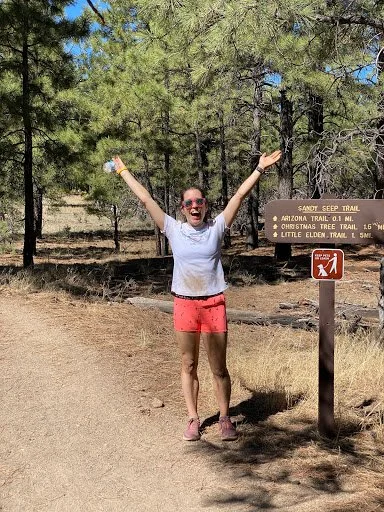
Running a 10K is a physical challenge, but it is also a mental achievement. I encourage every runner I coach to prepare their mindset along with their body.
During a race, there may be moments when the distance feels difficult. This is normal. Successful runners learn to stay focused, trust their training, and break the race into smaller sections.
A positive mindset helps you handle difficult moments and reminds you why you started. Every mile you complete is proof that your preparation is working.
10K Race Day Strategy
Your race day plan should be simple and familiar. Avoid trying anything completely new on the day of your event.
A strong race strategy includes arriving early, warming up properly, starting at a controlled pace, and adjusting your effort as the race progresses.
| Race Stage | Coaching Advice |
|---|---|
| Before Start | Warm up and stay relaxed |
| First Mile | Begin comfortably and avoid rushing |
| Middle Miles | Maintain steady effort |
| Final Mile | Increase effort if you feel strong |
How Long Does a 10K Take for Different Runners?
Your finish time depends on your experience, fitness level, training consistency, and running pace. There is no single “correct” finishing time because every runner has a different goal.
Some runners aim simply to complete the event, while others train specifically for a personal record. Both achievements are valuable.
| Runner Category | Average 10K Finish Time |
|---|---|
| Beginner Runner | 60-90 minutes |
| Casual Runner | 50-65 minutes |
| Experienced Runner | 40-50 minutes |
| Competitive Runner | Under 40 minutes |
Final Coaching Advice Before Your 10K
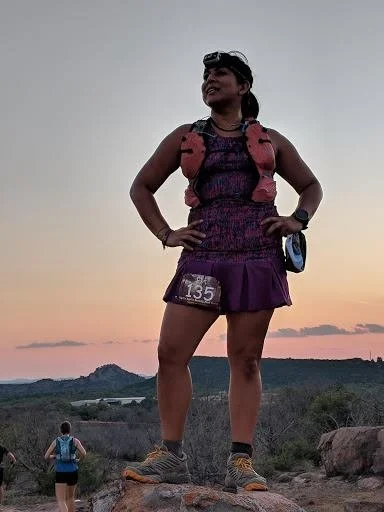
A successful 10K journey begins with understanding the distance and trusting your preparation. The 10k run in miles measurement gives you a clear goal, but your consistency, effort, and mindset determine your success.
Remember that every runner starts somewhere. Focus on improving your own performance instead of comparing yourself with others.
Whether you are completing your first race or chasing a faster finish time, the process matters. Train patiently, listen to your body, and enjoy the experience of becoming a stronger runner.

Ready to Start Your 10K Training Journey?
Take the first step today, understand your distance, follow a smart plan, and confidently prepare to complete your 6.21-mile goal.
Frequently Asked Questions
-
A standard 10K race is 6.21 miles long. The distance comes from converting 10 kilometers into miles, making it easier for runners to understand their race goal.
-
There are 6.21 miles in a 10K race, which is twice the distance of a 5K race. A 10K requires more endurance and pacing compared to a shorter race.
-
A 10K is approximately 6.21 miles when converted from kilometers. This conversion helps runners understand how far they will run in familiar mile measurements.
-
A 10K is 6.21 miles, and beginners can complete this distance with consistent training, gradual mileage increases, and proper pacing.
-
A 10K equals 10 kilometers or approximately 6.21 miles. The “K” refers to kilometers, which is the official measurement used for this race distance.
-
A 10K run in miles is 6.21 miles, placing it between a 5K and a half marathon. It is a popular distance for runners developing their endurance.
-
The 10K run distance in miles is 6.21 miles. Knowing the exact distance allows runners to plan workouts, track progress, and prepare effectively.
-
When running a 10K, you need to complete 6.21 miles. Training consistently helps runners build the stamina needed to finish the race comfortably.
-
The exact 10K race distance in miles is 6.21 miles (10 kilometers). Official 10K races follow this standardized distance worldwide.
-
The 10K run distance in miles is 6.21 miles. For first-time runners, understanding this distance helps create realistic training goals and build confidence before race day.