
Why Strength Training Is Essential for Runners
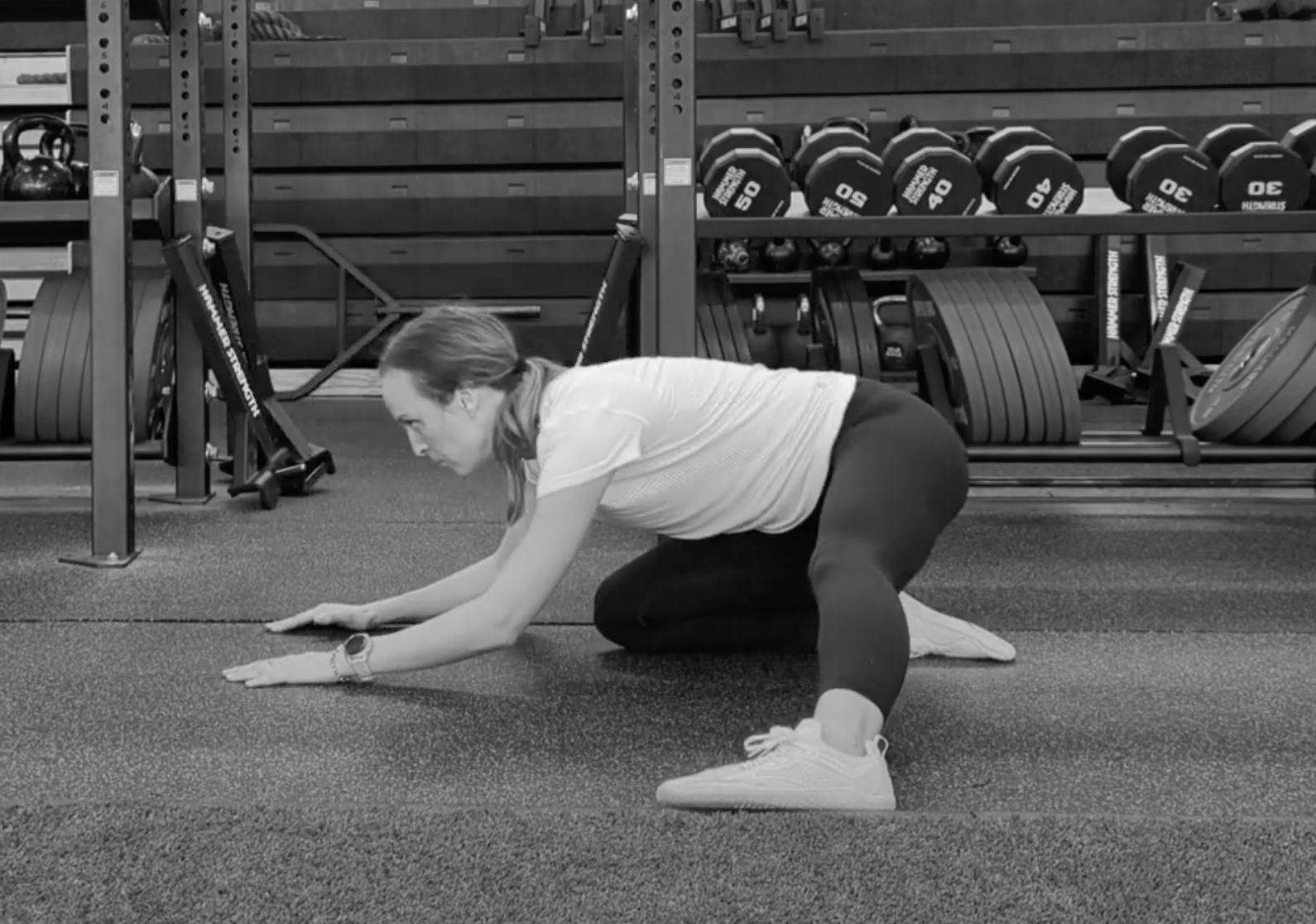
Strength training for runners is no longer viewed as optional or supplementary. In fact, it plays a meaningful role in how runners move, adapt, and sustain performance over time. From recreational joggers to experienced distance runners, strength work supports the physical demands that running alone cannot fully address.
Running is a repetitive, high-impact activity. Therefore, relying only on mileage often leaves gaps in muscular balance, joint stability, and long-term durability. Strength training for runners helps fill those gaps in a structured and intentional way.
Understanding the Physical Demands of Running
Running primarily challenges the lower body, core, and cardiovascular system. However, the repetitive nature of each stride places consistent stress on muscles, tendons, and joints.
Key Physical Stressors in Running
Repetitive ground impact
High reliance on single-leg stability
Limited movement patterns
Gradual fatigue accumulation
Over time, these stressors can expose muscular imbalances or weaknesses. As a result, runners may experience reduced efficiency or recurring discomfort.
Why Strength Training for Runners Matters
Strength training addresses what running alone does not. Instead of adding more miles, runners can improve movement quality, posture, and resilience through targeted strength work.
Primary Benefits of Strength Training for Runners
Improved Muscular Balance
Strength exercises activate muscles that may be underused during running. This balanced engagement supports smoother and more controlled movement.
Better Force Absorption
Stronger muscles help absorb impact forces more effectively. Consequently, joints experience less strain over repeated strides.
Enhanced Running Economy
When muscles work efficiently, runners expend less energy at the same pace. Over time, this can support improved endurance without increasing mileage.
How Strength Training Supports Running Mechanics
Running form depends on coordination between the hips, core, legs, and upper body. Strength training improves how these systems work together.
Key Areas Supported by Strength Training
Core Stability
A stable core helps maintain posture, especially during longer runs. It also reduces unnecessary side-to-side movement.
Hip and Glute Strength
Hip stability plays a major role in stride control. Strength training reinforces this foundation and supports consistent mechanics.
Upper Body Control
Although often overlooked, upper body strength supports arm swing and posture, particularly during fatigue.
Common Strength Training Mistakes Runners Make
Despite good intentions, many runners' approach strength work without structure. This can limit its effectiveness.
Frequent Errors
Treating strength training as optional
Using generic workouts not designed for runners
Ignoring recovery needs
Focusing only on heavy lifting without movement control
Instead, runners benefit most from programs designed specifically around running demands.
Strength Training in Structured Running Programs
Programs that combine running and strength training are designed to complement, not compete with, mileage. For example, structured plans offered through Strength Training for Runners online focus on movement quality, control, and consistency rather than excessive intensity.
At Dasher Personalized Running, strength training is integrated as part of an overall running framework. This approach aligns strength sessions with running goals, rather than separating them entirely.
How Runners Can Integrate Strength Training Safely
Adding strength training does not require excessive gym time. Instead, consistency and relevance matter more.
Practical Integration Tips
Start with 1–2 sessions per week
Focus on controlled, functional movements
Align strength days with easier run days
Adjust volume based on running load
Over time, runners can gradually build strength without disrupting their running rhythm.
The Role of Personalized Coaching in Strength Training
Not all runners have the same background, goals, or training history. Because of this, personalized guidance can help ensure strength work aligns with individual needs.
Dasher Personalized Running focuses on tailoring training based on the runner’s profile rather than using generic templates. This approach ensures that strength training supports, rather than conflicts with, running progression.
Conclusion
Strength training is a foundational element of balanced running preparation. It supports efficiency, movement control, and long-term consistency without replacing running itself. When structured correctly, strength training for runners becomes a practical tool rather than an added burden.
By integrating strength work thoughtfully and aligning it with running goals, runners can build a more resilient and sustainable training routine. If you want to understand how strength training fits into a personalized running plan, contact us today to learn more about structured support options.
Frequently Asked Questions
1. How often should runners do strength training?
Most runners benefit from one to two strength sessions per week, depending on training volume and recovery capacity.
2. Is strength training necessary for beginner runners?
Yes, basic strength training can help beginners build stability and movement awareness early in their running journey.
3. Can strength training replace running workouts?
No, strength training supports running but does not replace the specific demands of running itself.
4. Does strength training make runners bulky?
When designed for runners, strength training focuses on control and efficiency rather than muscle size.
5. Should strength training be done on run days or rest days?
It is commonly paired with easier run days to allow for proper recovery and training balance.
6. Is online strength training effective for runners?
When programs are structured and aligned with running goals, Strength Training for Runners online can be an effective option.