


Beginner 5K Training Plan: Build Endurance and Race-Day Confidence
Preparing for your first 5K can feel challenging when you’re unsure how far to run, how fast to go, or when to take a break. My advice is to start where you are today, not where you think you should be. A beginner 5K training Plan gives you a clear way to build endurance, develop consistent habits, and prepare to cover 3.1 miles at a manageable pace. With the right structure, you can make steady progress without feeling overwhelmed or turning every workout into a test.
GET IN TOUCH

Getting Familiar With the 5K and Its Training Demands
A 5K is 3.1 miles and is a popular first race for new runners and people returning to exercise. While the distance may sound manageable, running continuously for that long takes preparation, patience and consistency.
If you cannot run the entire distance yet, don’t worry! You can start with short running intervals and alternate them with walking. This approach helps you build fitness without feeling that you have to push through every session.
Focus on these principles as you begin:
Set a realistic goal for your first race
Run at a pace that allows you to speak in short sentences
Schedule recovery days
Track how each workout feels, not just the distance covered
Progress should be measured by improved consistency, easier recovery, and greater comfort during runs rather than pace alone.

My Approach to Preparing for Your First 5K
When coaching beginners, I focus on consistency before speed. You don't need complicated workouts to get started. You need a routine that fits your life and gives you enough time to improve between sessions.
If continuous running feels difficult, start with a mix of running and walking. For example, alternate a short running interval with a walking break and repeat the pattern throughout your workout. As your endurance improves, gradually lengthen the running intervals.
Recovery is equally important. Rest days allow your body to adapt to training and help prevent fatigue from accumulating. If a workout feels unusually difficult, adjust the effort instead of forcing the pace.
For your first few weeks:
Choose three days for running or run-walk sessions
Start each session with a short walking warm-up
Finish with a slower walk to cool down
Record your time, distance, and how you feel afterward

Building Endurance for a Successful 5K
You develop endurance through consistent, manageable training rather than exhausting workouts. Most runs should feel comfortable enough to hold a conversation.
I recommend building your time on your feet gradually. One slightly longer session each week can help prepare you for the race distance, but it should not leave you exhausted for several days afterward. If a week feels too demanding, repeat it instead of increasing your workload.
To improve endurance:
Keep easy runs easy
Increase your running intervals gradually
Use walking breaks regularly
Prioritize sleep, hydration, and recovery
Patience is important. Endurance develops over weeks and months, not days.
Why Training for a 5K Is Worth It
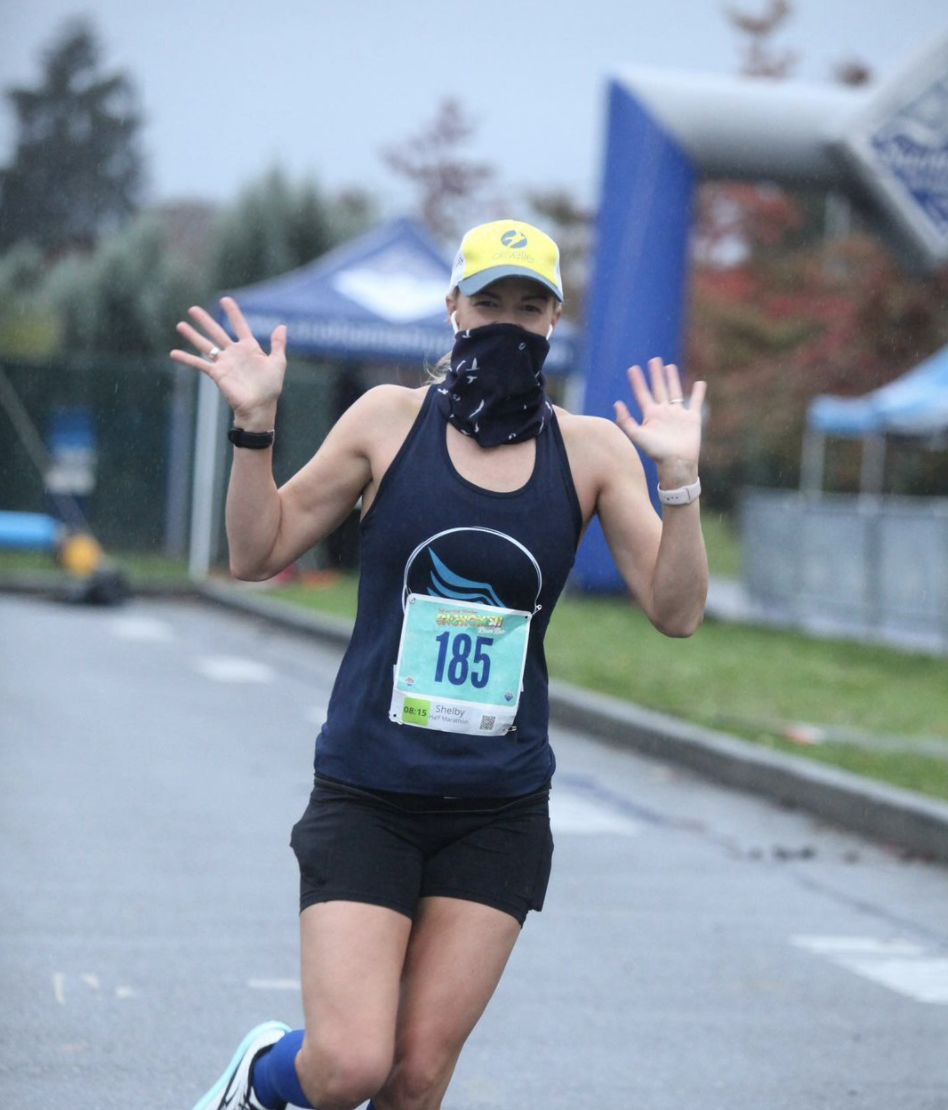
One of the best things about preparing for a 5K is having a clear goal to work toward. Instead of exercising without a specific direction, you can see how each session contributes to something you want to accomplish.
You may notice improvements beyond your running, too. Following a routine can help you develop discipline, recognize your progress, and make regular movement part of your week. The experience can also teach you how to stay patient when results take time.
I encourage first-time runners to look beyond their finishing time. Completing your first race, running for longer without stopping, or feeling more confident on your usual route can be just as meaningful as achieving a particular pace.
As you work toward your goal, focus on:
Establishing a routine you can maintain
Improving stamina gradually
Building confidence through consisteny
Celebrating progress beyond finishing times
Enjoying the experience instead of comparing yourself with others

How I Structure Preparation for a First 5K
I encourage beginners to start with a manageable weekly schedule rather than filling every available day with exercise. Three running sessions can be a practical starting point for many people, with recovery or gentle movement between them.
Each session should have a purpose. One might focus on comfortable running and walking intervals, another on practicing a steady effort, and a third on spending a little more time on your feet. You don't need to make every workout longer or harder than the last.
Your schedule should also reflect your experience. If you are new to exercise, repeating a week can be more useful than progressing before you are ready. If you already run regularly, your training may need a different starting point.
A typical week could include:
One easy run-walk session
One session focused on comfortable running
One longer, easy session to develop endurance
Rest or gentle movement between running days
A weekly review of your energy and recovery
Small adjustments when your schedule changes
Regular meals and adequate hydration
A lighter training week when additional recovery is needed

Key Elements of a Successful 5K Build
When putting together a beginner 5K training plan, I focus on a few fundamentals: consistent training, gradual progression, comfortable pacing, and enough recovery. These elements help you develop fitness without turning every run into a challenge you need to overcome.
You should also pay attention to the practical details that affect your experience. Comfortable shoes, appropriate warm-up, and realistic expectations can make your sessions more manageable. Strength work may also support your running when it suits your experience and fitness level.
Use these principles to guide your training:
Consistency: Choose a schedule you can realistically follow
Gradual progression: Increase running time in manageable steps
Easy pacing: Avoid racing through everyday workouts
Recovery: Allow your body time to adapt between sessions
Warm-ups: Begin with walking and gentle movement
Strength work: Include suitable exercises to support running
Hydration: Drink regularly throughout the day
Flexibility: Adjust your routine when you need more recovery

Your 5K Distance at a Glance
Knowing how the distance breaks down can make your goal feel less intimidating.
| Distance | Training Purpose |
|---|---|
| 1 mile | Build initial comfort with running |
| 2 miles | Develop the ability to sustain effort |
| 3.1 miles | Complete the full 5K distance |
| 5 kilometers | The metric measurement of the event |
You don't have to run 3.1 miles during your first week. Work toward longer sessions gradually and pay attention to how you feel during and after each workout. Your goal is to arrive at race day prepared, not to prove your fitness in every training session.

Workouts That Support 5K Performance
Different workouts serve different purposes, and you don't
need to fit every type into the same week. I would choose sessions based on your experience, your goal, and how well you recover from your current workload.
Easy Running
Easy running builds aerobic fitness while helping you accumulate training without excessive fatigue. Keep your pace comfortable enough to hold a conversation. If you finish feeling as though you could have continued a little longer, you have likely kept the effort manageable.
Controlled Intervals
Intervals introduce faster running in short, planned efforts with recovery between repetitions. Start conservatively and focus on maintaining control throughout the session. The goal is to practice running faster, not to sprint every repetition.

Skills You Build Through Consistent 5K Training
Aerobic Capacity
Regular running helps develop the aerobic fitness needed to maintain effort throughout a 5K. Build your running time gradually and keep most sessions comfortable. You shouldn't finish every run exhausted to try and make progress.
Pacing Control
Learning to manage your pace can help you avoid starting too quickly and running out of energy. Practice different effort levels during training so you can recognize what feels sustainable and adjust when needed.
Running Efficiency
Pay attention to how relaxed your movement feels as you run. Keep your shoulders loose, allow your arms to move naturally, and avoid forcing an exaggerated stride. Comfort and consistency matter more than trying to copy another runner's form.
Training Consistency
A realistic schedule helps you balance running with recovery and everyday responsibilities. If your week becomes busy, adjust the plan rather than trying to squeeze every missed workout into the remaining days. Consistency comes from routines you can maintain over time.
Race Confidence
Confidence grows as you gain experience. Completing your planned sessions, practicing your pace, and learning how your body responds to running all give you something practical to draw on when you reach the starting line.

Making Smart Decisions on Race Day
Race day should feel familiar rather than stressful. The goal is to apply what you've already practiced in training.
Before the race:
Arrive early enough to avoid rushing
Wear clothing and shoes you've already tested
Eat familiar foods
Complete a short warm-up
During the race:
Start conservatively
Resist the temptation to match faster runners
Settle into a sustainable effort
Use walking breaks if needed
Focus on finishing strong
A controlled start often leads to a faster and more enjoyable race experience.
Different 5K Finish Goals
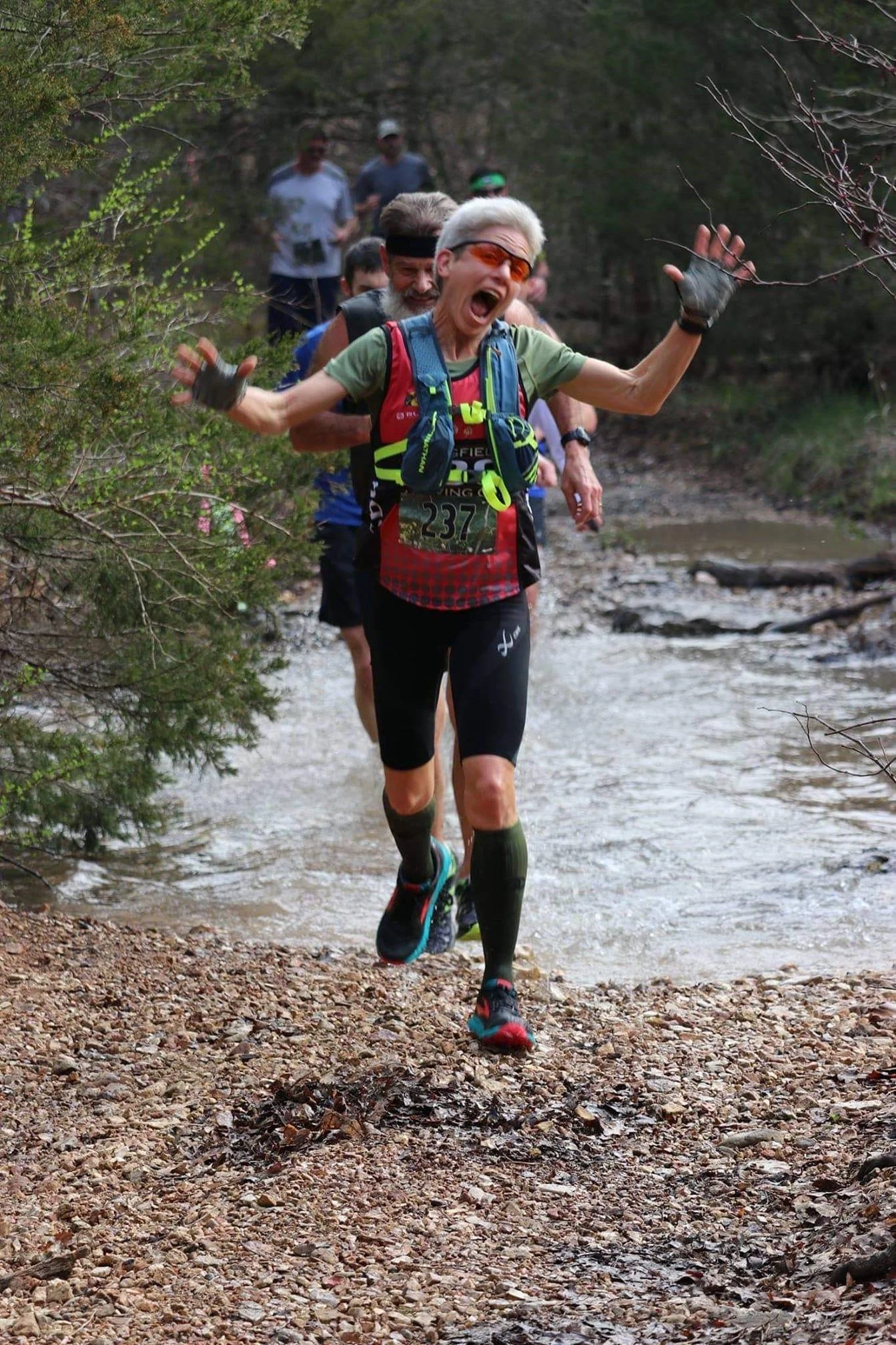
There is no single finish time that defines a successful 5K. Your results will depend on your running experience, fitness, pace, terrain, and whether you run continuously or alternate between running and walking.
For your first race, I suggest setting a goal you can control. You might aim to finish comfortably, run for longer without stopping, or simply enjoy the experience. Once you have completed your first event, you will have a useful starting point for setting a time goal.
| Goal Type | What to Focus On |
|---|---|
| Complete the Distance | Finish comfortably, using walking breaks if needed |
| Run Continuously | Build endurance for sustained running |
| Improve Your Time | Practice pacing and add suitable workouts gradually |
| Enjoy the Event | Keep your effort manageable and enjoy the experience |
Your first race is also a learning opportunity. Pay attention to how you paced yourself, how you felt during the final mile, and what you would change next time. Use that information to guide your next goal instead of judging your performance by the clock alone.

My Final Tips for Your 5K Build
As your race approaches, focus on maintaining your fitness rather than trying to make major gains at the last minute. You have already done the work; the final days are about arriving rested and ready.
Keep your routine familiar during race week. You may reduce the length or intensity of your runs to allow recovery, especially if you have been training consistently. Avoid squeezing in missed workouts or testing how fast you can run the full distance.
If a session does not go as planned, don't assume your preparation has failed. One difficult workout does not define your fitness. Look at the bigger picture, make sensible adjustments, and keep your attention on the race ahead.
Remember these final points:
Consistency matters more than perfection
Recovery is part of training
Build gradually
Keep expectations realistic
Use familiar gear and routines
Adjust training when necessary
Trust the process

Get Personalized Support for Your 5K Goal
Work with us as your coach to build a training schedule around your running experience,
weekly availability, and race-day goals.
FAQ
-
A 5K race covers 3.1 miles. Beginners can prepare for the distance gradually by combining running intervals with walking breaks and allowing enough time for recovery.
-
It should include easy runs, gradual increases in running time, recovery days, and appropriate strength exercises. The schedule should reflect your current fitness level and allow enough time for recovery between sessions.
-
Choose a schedule that fits your fitness level, weekly availability, and race goals. Look for manageable workouts that help you build endurance without increasing the workload too quickly.
-
A coach can provide structured workouts, feedback, and adjustments based on your progress. This guidance can help you manage your effort and prepare for race day with greater confidence.
-
Look for manageable workouts, gradual progression, and sufficient recovery between sessions. The schedule should also allow walking breaks and accommodate your current fitness level.
-
A structured schedule gives you clear weekly goals and a way to monitor your progress. Regular check-ins can also help you adjust your workouts when your schedule or recovery needs change.
-
Yes. Complete beginners can benefit from a gradual approach that builds endurance over time, allows for recovery, and supports a consistent routine.
-
Yes. Alternating running with walking can help you build endurance at a manageable pace. As your fitness improves, you can gradually increase the length of your running intervals.
-
Three days per week can be a reasonable starting point for many beginners. Allow time for recovery between sessions and adjust your schedule according to your fitness level and how your body responds.
-
The time required depends on your current fitness, running experience, and goals. Allow enough time to build endurance gradually rather than rushing to cover the full distance.
-
Many runners reduce their training volume during the final several days before race day. Keep your workouts comfortable, prioritize recovery, and avoid trying to make up missed sessions.